Thinking about selling your home in Saint Paul? You will hear the term TISH come up early. It stands for Truth‑in‑Sale of Housing and it affects how you prepare, what you disclose, and sometimes how you schedule repairs. In this guide, you will learn what a TISH inspection is, who typically needs it, what inspectors look for, how long the process may take, and smart steps to avoid delays. Let’s dive in.
TISH basics in Saint Paul
A TISH inspection is a city‑administered review of a home’s basic safety and housing standards. The goal is to provide a standardized report for buyers and encourage correction of unsafe conditions before transfer. The program is set by local ordinance, so the City of Saint Paul determines which properties are covered, the fee schedule, and how the certificate works.
When complete, you receive a written report and a TISH certificate. The report lists items inspected and any deficiencies tied to minimum code standards. If issues are found, you may get a conditional certificate that outlines required corrections and next steps.
Who needs a TISH
In many Minnesota cities, TISH rules apply when selling residential properties such as single‑family homes and small multi‑unit buildings. Some cities include 1 to 4 units; others add specific exemptions. Because each city sets its own rules, confirm with the City of Saint Paul which property types are covered and whether any exemptions apply.
Typical exemptions in some programs can include new construction with a final certificate of occupancy, certain condominium scenarios, or specific transfer types defined by ordinance. Always verify the current Saint Paul applicability, who must order the inspection, and when the certificate must be provided in your sale timeline.
What inspectors check
A TISH inspection focuses on health, safety, and minimum housing standards. It is not a full buyer’s home inspection. Expect a standardized checklist that covers visible conditions and life‑safety items.
Structure and exterior
- Foundation and framing for visible movement or major deterioration.
- Roof condition, missing shingles, or active leaks.
- Siding, trim, and exterior walls for rot or severe wear.
- Stairs, steps, porches, and guardrails for safety.
- Gutters and downspouts for proper drainage away from the home.
Windows, doors, and egress
- Operable windows and doors that can lock securely.
- Bedroom egress windows that meet size and access requirements.
- Broken glazing or severe deterioration that affects safety.
Electrical safety
- Service size and visible panel hazards.
- Missing covers, ungrounded or unsafe wiring, improper disconnects.
- Clear access to the main electrical panel.
Heating and mechanical
- Operational heating system and safe venting.
- Adequate heat for all habitable rooms.
Plumbing and hot water
- Leaks, cross‑connections, and evidence of freeze damage.
- Functional fixtures and hot water availability.
Sanitation and interior conditions
- Evidence of significant vermin infestation or visible mold.
- Missing bathroom fixtures or conditions that affect habitability.
Life‑safety items
- Smoke and carbon monoxide detectors where required.
- Safe exits, handrails, and clear egress paths.
- Safe gas connections and any observed gas leaks during the visit.
What TISH does not cover
A TISH inspection does not replace a buyer’s private home inspection. It does not include invasive testing or specialized environmental assessments like lead, asbestos, mold lab testing, or radon. Buyers may still order a comprehensive inspection for their own due diligence.
Timeline, steps, and typical costs
Every city sets its own process, but most sellers can expect a straightforward sequence:
Schedule the inspection. You or your agent requests a TISH inspection with the city or an authorized inspector.
Get the report. After the on‑site visit, you receive the written report and the TISH certificate or a conditional certificate listing repairs.
Complete repairs. Address required deficiencies before closing or through an agreed plan in your purchase agreement if allowed.
Reinspection. If corrections are needed, schedule reinspection so the city can issue a final certificate.
Scheduling often happens within days to a few weeks, and reports typically arrive soon after the visit. Allow extra time for repairs and reinspection, especially if licensed trades or permits are required. Certificate validity periods and deadlines vary by city, so confirm the current Saint Paul rules.
For budgeting, plan for a municipal inspection fee typically in the low hundreds of dollars, plus any reinspection fees if needed. Repair costs vary widely based on scope and age of the home. Older properties or those with deferred maintenance may have higher costs. If permit‑required work is involved, factor in permit fees and inspection timing as well.
Tips to prepare your home
A little prep can speed up the inspection and help you avoid preventable write‑ups.
- Turn on utilities and ensure the furnace, electrical panel, and water heater are accessible.
- Replace missing or non‑working smoke and CO detectors per local code.
- Fix obvious hazards such as loose handrails, unsafe steps, or broken locks.
- Address leaking fixtures and confirm you have working hot water.
- Clear access to the attic, basement, and crawlspaces.
- Trim vegetation away from siding and egress windows.
- Gather receipts and permits for recent repairs in case the inspector asks.
If you want a head start, consider a pre‑listing walk‑through with a TISH‑experienced contractor to flag likely issues before the city inspection.
Older and historic Saint Paul homes
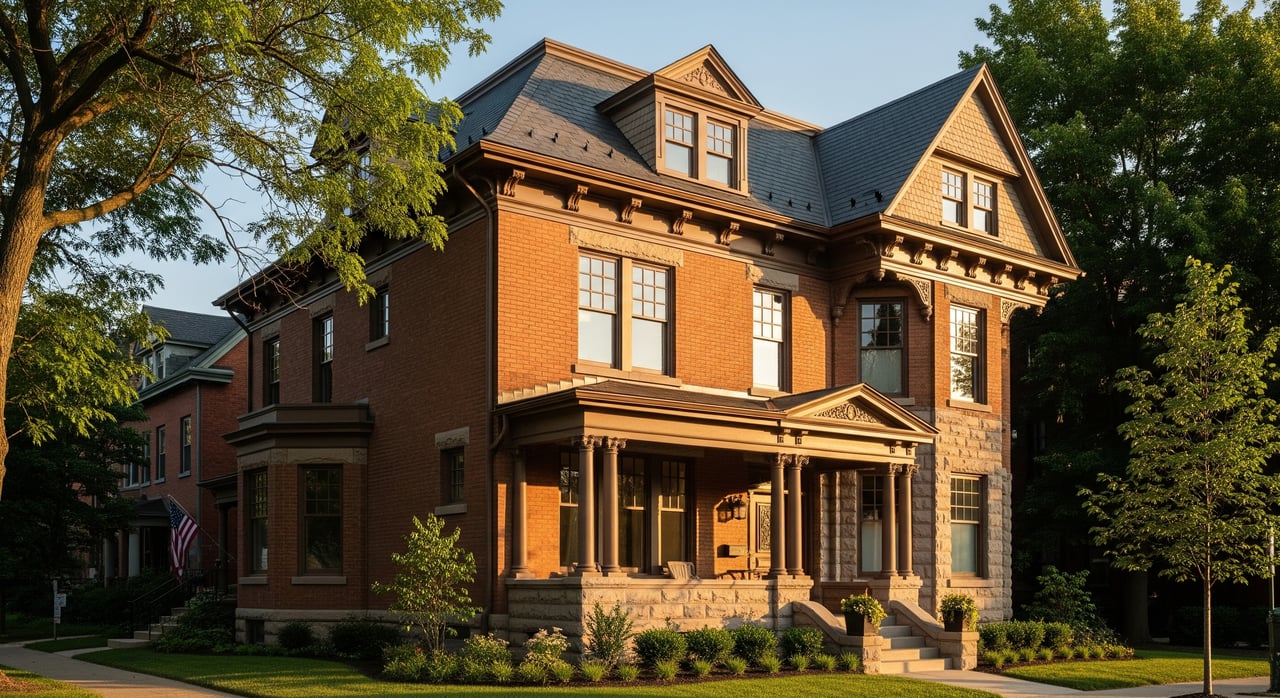
Saint Paul has a large inventory of older and historic homes. TISH inspections on these properties often flag age‑related items such as original wiring, single‑pane windows, porch or trim rot, and masonry concerns. This does not mean a home will not pass, but it helps to plan early.
If your property is in a designated historic district, some exterior repairs can trigger design review or approvals through the city’s heritage preservation process. This may affect window replacements, porch work, siding choices, and timelines. Historically appropriate materials can add cost, and the review period can extend your schedule. Contact the city’s preservation staff early so you know what is required and how it affects your TISH repair plan.
Lead‑based paint disclosures apply to most homes built before 1978. TISH is not a substitute for specialized testing for lead, asbestos, mold, or radon. Buyers may request their own tests during due diligence.
How your agent can help
You do not have to navigate TISH alone. A local listing team can help you:
- Confirm current Saint Paul TISH requirements, timelines, and fees.
- Schedule the inspection and coordinate access.
- Prioritize repairs and connect you with vetted contractors familiar with city reinspections.
- Manage permits and timelines so your sale stays on track.
- Prepare documentation for buyers and the closing team.
At Reidell‑Estey & Associates, we pair neighborhood expertise with a deep vendor network to get listings market‑ready. From pre‑listing prep to final certificate, we help you plan, execute, and sell with confidence.
Ready to sell with less stress and better results? Reach out to Reidell‑Estey & Associates for a quick consult or a free valuation.
FAQs
What is a TISH inspection in Saint Paul?
- It is a city‑administered review of basic safety and housing standards that produces a written report and a TISH certificate for home sales.
Who orders and pays for a TISH inspection?
- In many markets the seller orders and pays for it, but practices vary; confirm the current requirement and custom in Saint Paul.
When do I need the TISH certificate for a Saint Paul sale?
- Timing rules differ by city; check with Saint Paul to learn whether the certificate is required before listing, at offer, or by closing.
Does a TISH inspection replace a buyer’s home inspection?
- No; TISH is a limited, code‑focused review. Buyers often order a separate, comprehensive home inspection.
How long does a TISH certificate last in Saint Paul?
- Certificate validity periods are set locally and can change; verify the current Saint Paul timeframe.
What if I am selling a condo or a small multifamily property?
- Coverage differs by city and property type; ask Saint Paul which properties require TISH and whether any exemptions apply.
How can historic district rules affect my TISH repairs?
- Some exterior work in historic districts may require design review, which can add time and influence materials and costs; contact preservation staff early.