Thinking about selling your historic St. Paul home, but not sure where to start? You are not alone. Character properties ask for a little more strategy, and the right prep can turn distinctive features into a real market advantage. In this guide, you will learn how to time your sale, what to inspect, how to preserve charm while updating function, and how to navigate local rules with confidence. Let’s dive in.
Understand historic context and approvals
If your home sits in a locally designated historic district or is a landmark property, exterior work often needs review by St. Paul’s heritage preservation staff. Interior changes are usually exempt, but rules vary by designation and any covenants tied to your property.
- Contact the City’s Historic Preservation staff early if you plan visible exterior repairs or replacements. This includes roofing, porches, dormers, visible window or siding work, and paint schemes.
- Plan your timeline with review in mind. Approvals add time to schedules, and early coordination helps you avoid rework or delays during your listing window.
- Keep records. If you completed permitted work, gather documentation. Buyers value proof that improvements follow local standards.
Time your sale for the St. Paul market
Buyer activity in the Twin Cities typically peaks in spring and early summer. Listing from March through June often brings more traffic and quicker outcomes. That said, inventory and demand change year to year. Pair your preferred timing with a current market read for Ramsey County to pick the window that fits your goals.
If your home needs work before going live, start early. Even small cosmetic projects can push the calendar by a few weeks, and preservation review or contractor schedules can add months for larger items.
Get the right inspections upfront
Pre-listing inspections help you set expectations, price with confidence, and reduce surprises during negotiations. For older St. Paul homes, consider:
- General home inspection covering roof, foundation, structure, and visible systems.
- HVAC service and inspection to document condition, age, and any needed repairs.
- Electrical assessment to flag knob-and-tube wiring, undersized service, or ungrounded circuits.
- Plumbing review to identify galvanized lines and potential issues; add a sewer scope for older laterals.
- Roof and chimney inspection to address leaks, flashing, masonry, or cap issues.
- Radon testing. Levels can be elevated in parts of Minnesota. Testing is simple and gives buyers peace of mind.
- Lead-based paint and asbestos surveys if you plan to disturb suspect materials during prep. These are informational for sellers and help contractors follow safe practices.
Prioritize repairs buyers care about
A clear plan helps you focus time and budget where they matter most.
- Safety and major systems. Resolve active water intrusion and roof leaks, address electrical hazards, and ensure HVAC and plumbing are reliable.
- Structural and stabilizing repairs. Repair porches, foundations, and significant rot or settlement. These items can deter lenders and buyers.
- Code and permit items. Verify permitted work and disclose any known issues. Documentation builds trust and can speed underwriting.
- Cosmetic and staging-level refresh. Paint touch-ups, floor refinishing, plaster repairs, updated lighting, and hardware restoration often deliver outsized appeal.
- Targeted kitchen and bath updates. Favor selective, style-sensitive improvements over full gut projects. Think fixtures, lighting, counters, and functionality.
- Energy efficiency that respects character. Focus on attic insulation, air sealing, and storm windows to boost comfort without removing originals.
Preserve character while updating function
Historic buyers value intact period details, so use a repair-first mindset.
- Windows. When feasible, repair original sashes and frames and add weatherstripping or storm units. This retains historic fabric while improving performance.
- Woodwork and doors. Restore rather than replace if practical. Document the work so buyers understand the care taken.
- If replacement is unavoidable, choose visually compatible materials. Match profiles for trim and select period-appropriate hardware so updates feel at home.
Kitchens and baths that respect the house
You can modernize function without erasing charm.
- Keep layouts that protect character rooms where possible. When you do reconfigure, maintain sensible sight lines.
- Choose sympathetic finishes like shaker or simple inset cabinetry, neutral quartz or honed stone counters, and tile that nods to the home’s era.
- Prioritize behind-the-scenes upgrades. Updated plumbing, GFCI protection, and adequate electrical capacity matter just as much as design.
Energy improvements that fit older homes
Sensitive improvements can add comfort without undermining historic value.
- Target insulation in the attic first and seal penetrations to reduce drafts.
- Use quality storm windows with repaired originals rather than wholesale replacement when possible.
- Add weatherstripping and balance air delivery to improve HVAC performance.
Stage for older floor plans
Staging choices should celebrate architectural character and help buyers see daily life in the home.
- Emphasize flow. Remove obstructions and define living, dining, and work areas so rooms feel intentional.
- Scale furniture to the volume of the space. Large rooms deserve appropriately scaled pieces so they feel inviting rather than sparse.
- Highlight key features. Let mantels, built-ins, stained glass, window seats, and staircases take center stage. Keep sight lines clear and add accent lighting.
- Color and finishes. Use warm, neutral wall colors that complement original wood. A few period-appropriate accents can showcase character without overpowering.
- Lighting. Layer ambient, task, and accent lighting to brighten corners that older homes often have.
Curb appeal that sells the story
First impressions count, especially on St. Paul’s tree-lined streets.
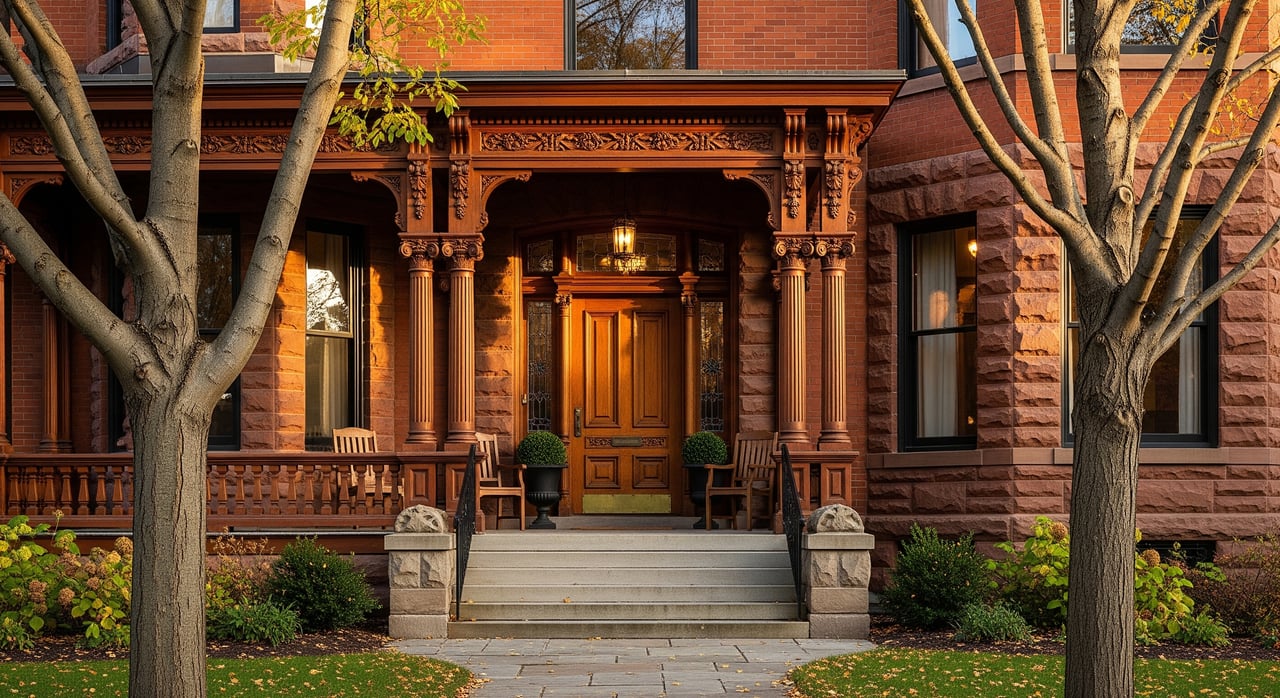
- Refresh porches and entry points. Repair railings, steps, and porch floors and add simple, period-friendly seating or lighting.
- Trim landscaping to frame the architecture. Preserve mature trees and keep beds tidy so the facade remains the focus.
Plan vendors, logistics, and timelines
The right team helps you stay on schedule and within scope, especially if approvals are needed.
- Build your bench early. You may need a preservation-savvy contractor, restoration carpenter, window specialist, and an experienced home stager.
- Typical timelines vary. Cosmetic projects can take 1 to 4 weeks. Moderate work like a kitchen refresh, HVAC service, or porch repairs can run 4 to 12 weeks. Major restoration or multi-room projects can take 2 to 6 months or more.
- Get multiple bids. Labor and material costs vary, so it pays to compare options and timelines before you finalize your plan.
Pricing, financing, and negotiation
Condition influences both buyer confidence and lending. Set yourself up for smooth negotiations.
- Expect lender standards. Conventional, FHA, or VA appraisals may flag significant deferred maintenance. Address critical items ahead of time when possible.
- Anticipate inspection negotiations. Pre-listing inspections and clear disclosures reduce the risk of surprise re-trades.
- Consider buyer financing paths. Some buyers may use renovation loans for character homes that need work. You can weigh completing a repair versus offering a credit.
- Be transparent about historic issues. Disclose known lead paint, older wiring types, radon test results, and any permit history. Transparency builds trust.
Disclosures, health, and safety
Older homes come with specific disclosure requirements and best practices.
- Lead-based paint. Federal rules require sellers of most homes built before 1978 to provide the required pamphlet and disclose known hazards. If you are renovating, contractors must follow EPA Lead Renovation, Repair and Painting rules when disturbing painted surfaces.
- Radon. The Minnesota Department of Health encourages testing. Having a recent result and, if needed, a mitigation plan reassures buyers.
- Local safety and utility items. Confirm you meet local requirements for smoke and carbon monoxide detectors and check with St. Paul agencies about any utility or public works responsibilities that could affect a sale, such as sewer lateral considerations.
Tax incentives and what to expect
Federal historic rehabilitation tax credits generally apply to income-producing properties, not owner-occupied single-family homes. Some state or local programs may offer guidance or incentives, but availability changes over time. If you are considering major work, consult the Minnesota Historical Society and local planning staff to learn what may apply. Do not assume eligibility without verifying current rules.
Marketing a historic home the right way
Thoughtful presentation helps buyers connect with your home’s story.
- Photography should capture period details and proportions inside, along with exterior shots that show context and mature trees.
- Your listing narrative should mention the home’s era, notable features, and any documented preservation work or system upgrades.
- Provide documentation. Share inspection summaries, service records, warranties, and permit history when available.
Your next step
Selling a historic home takes planning, but you do not have to do it alone. A coordinated strategy will help you protect character, meet buyer expectations, and keep your timeline on track. If you want a turnkey plan for inspections, vendors, staging, and premium marketing tailored to St. Paul’s historic neighborhoods, reach out to the team that does this every week. Schedule a free valuation or consultation with Reidell-Estey & Associates.
FAQs
What is the Heritage Preservation Commission review in St. Paul?
- In locally designated districts or for landmark properties, visible exterior changes often require review by the City’s preservation staff. Interior work is generally exempt. Contact the City early to confirm what applies to your home.
Which pre-listing inspections matter most for older St. Paul homes?
- Prioritize a general home inspection, HVAC, electrical, plumbing with a possible sewer scope, roof and chimney, and radon testing. Add lead or asbestos surveys if you plan to disturb suspect materials.
When is the best time to list a historic home in St. Paul?
- Spring through early summer typically brings peak buyer activity in the Twin Cities. Align your listing with completed prep and current inventory trends to maximize traffic.
How can I improve efficiency without replacing original windows?
- Repair sashes and frames, add weatherstripping, and install quality storm windows. Pair this with attic insulation and air sealing to boost comfort while retaining historic fabric.
What disclosures are required for older Minnesota homes?
- Provide federally required lead-based paint disclosures for pre-1978 homes and disclose known material facts. Follow local safety requirements and share documentation of permitted work when available.
How long does it take to prepare a historic home for market?
- Small cosmetic updates often take 1 to 4 weeks, moderate projects 4 to 12 weeks, and major restorations 2 to 6 months or more. Factor preservation review and contractor availability into your schedule.