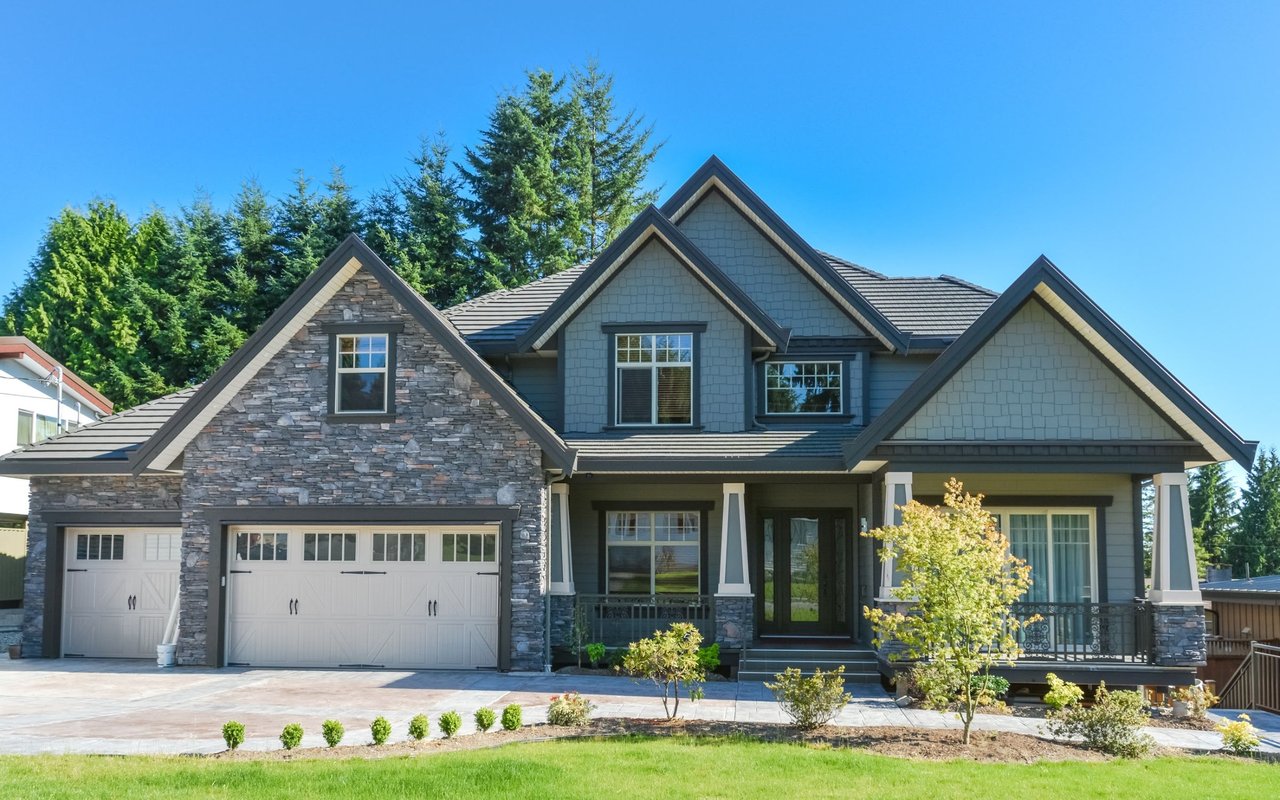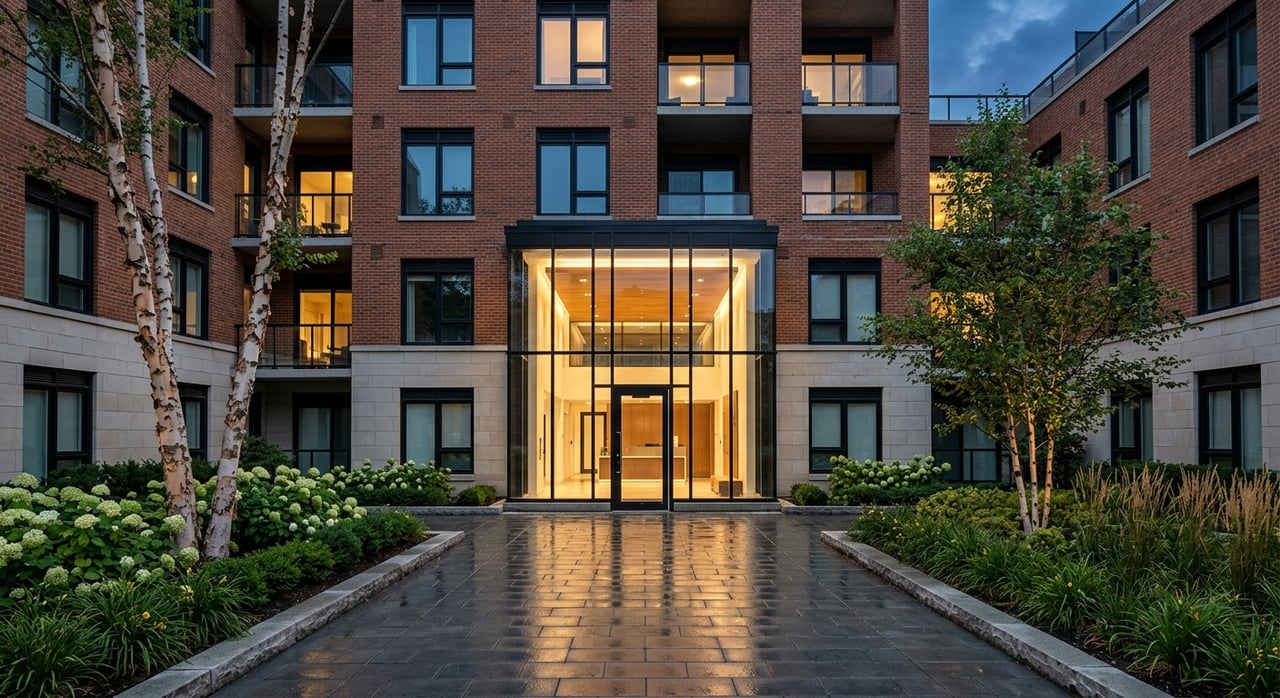
Trying to choose between a condo and a house in St. Louis Park? You are not alone. This is one of the most common decision points for Twin Cities buyers because both options can make sense here, but for very different reasons. If you understand how St. Louis Park is built, where condos tend to cluster, and what ownership feels like day to day, you can make a much more confident choice. Let’s dive in.
Why this choice matters in St. Louis Park
St. Louis Park is not a one-size-fits-all market. It is an established inner-ring suburb with quick access to Minneapolis amenities, major routes, retail, restaurants, medical facilities, trails, and parks. The city also notes that its trail network connects to downtown Minneapolis, Uptown, Hopkins, and Chaska, and that 11.5% of its land is set aside for parks, including 52 parks total.
That setting shapes the housing choices available to you. St. Louis Park has an older housing stock and a redevelopment-driven pattern, which means the condo-versus-house decision is often less about what is theoretically possible and more about how you want to live.
The city’s housing study shows just how strong that pattern is. From 2010 to 2022, only 3.5% of permits were for single-family units, while 96.5% were multifamily. The same study says more than 47% of homes were built in 1950 or earlier, so whether you buy a condo or a house, you are often buying into an established community rather than a brand-new subdivision.
Condo living in St. Louis Park
If you want lower day-to-day upkeep and easier access to mixed-use areas, a condo can be a strong fit in St. Louis Park. The city has a sizable condo market, with 41 condo projects and 2,756 total units identified in the housing study.
A big thing to know is that most condo inventory here is established, not brand new. More than half of the city’s condo units were built in the 1970s and 1980s. There are newer options, including Parkside Lofts from 2011 and Wooddale Flats from 2016, but much of the market is in older buildings.
That can be a benefit if you like mature locations and a wider spread of price points. The city’s study shows condo communities with a broad value range, including projects like Condos at Excelsior & Grand, Grand Condos, Cedar Trails, Aquila Commons, Coach Homes of Shelard, Fern Hill Place, Parkside Lofts, Wooddale Flats, and Westmoreland.
Where condos tend to make the most sense
In St. Louis Park, condos often line up with the city’s more walkable and redevelopment-focused areas. The city describes Excelsior & Grand and the West End as trend-setting redevelopment areas, and the West End sits near the southwest corner of I-394 and Highway 100.
If you want quick access to shopping, dining, trails, and transit connections, these locations may stand out. The city says the east-west bus network covers St. Louis Park well, and the trail system connects into the broader regional network. Metro Transit also identifies service in the city including Route 17 and the Louisiana Avenue Transit Center.
Who often prefers condos
The city’s housing study says for-sale multifamily housing tends to appeal to empty-nesters and retirees who are downsizing, along with singles and couples without children who prefer not to handle the maintenance responsibilities of a single-family home. That does not mean condos are only for those buyers. It simply highlights the lifestyle pattern the city sees most often.
If your priority is less exterior work, a lock-and-leave setup, or a location near mixed-use amenities, a condo may line up well with your goals. If you care more about private outdoor space or full control over the property, you may feel limited by condo ownership.
House living in St. Louis Park
Single-family homes are still the dominant owner-occupied housing type in St. Louis Park. The city’s housing study says single-family detached units account for 78.8% of owner-occupied units, and the 2024 Housing Activity Report says 92% of single-family detached homes are owner-occupied.
These homes are a major part of the city’s identity, but they are usually not new. The city says very few single-family homes have been built since the mid-century building boom, and most were built before 1970.
That matters because a house in St. Louis Park often offers an established setting, more privacy, and yard space, but it may also come with the realities of older-home ownership. Depending on the property, that could mean more repairs, updates, and ongoing exterior upkeep.
Where houses tend to be concentrated
The housing study highlights several established owner-occupied neighborhoods that are useful reference points for the single-family side of the market. These include Lake Forest, Fern Hill, Minikahda Vista, Browndale, Brookside, Creekside, and Westwood Hills.
For buyers, the key takeaway is not to assume every part of St. Louis Park offers the same housing experience. Condo-oriented redevelopment pockets and established single-family areas can feel very different in layout, rhythm, and daily convenience.
Who often prefers houses
The city’s housing study says move-up buyers are often households in their late 30s to 40s, while condos and townhomes more often serve buyers looking for lower-maintenance living. Again, that is a market pattern, not a rule.
A single-family house may be the better match if you want:
- More privacy
- A yard or more outdoor space
- More control over improvements and maintenance
- A more traditional ownership setup
If those priorities matter more to you than walkability or reduced exterior maintenance, a house may be worth the added responsibility.
The biggest tradeoffs to compare
The condo-versus-house decision in St. Louis Park usually comes down to four things: maintenance, privacy, monthly costs, and location convenience. Here is how to think through each one.
Maintenance and upkeep
This is often the clearest difference. Condo ownership usually reduces the amount of exterior work you handle personally, while a detached house puts more of that responsibility directly on you.
That distinction is practical in St. Louis Park because the housing stock is older. An older house may offer charm, space, and flexibility, but it can also require more attention over time.
The city’s service model reflects that difference too. St. Louis Park provides curbside garbage, recycling, organics, and yard-waste collection for single-family residential properties, with weekly organics collection for single-family homes. The city says apartments, townhomes, and condos that do not receive city collection service use multifamily drop-site information instead.
Privacy and control
If privacy is near the top of your list, a house usually wins. You are more likely to have separation from neighbors, private outdoor space, and greater control over the property.
A condo may ask you to trade some of that for convenience. Shared walls, common spaces, and association rules are part of the ownership structure. For some buyers, that trade feels well worth it. For others, it does not.
Monthly cost structure
It is safest to compare costs by category, not by assuming one option is always cheaper. In Minnesota, property owners generally pay property tax based on property value.
The difference is how other housing costs are packaged. Condo ownership usually includes association dues and may include special assessments, while detached-home ownership often shifts more of your costs into repairs, landscaping, snow removal, and long-term exterior maintenance.
In other words, a condo may centralize more costs into predictable monthly payments, while a house may give you more control but less predictability over time. The right fit depends on how you prefer to budget and manage property responsibilities.
Transit and amenities
Location matters a lot in St. Louis Park. Condo buyers often find the strongest transit and amenity access in redevelopment corridors and mixed-use areas, especially near places like Excelsior & Grand, the West End, and Beltline, Wooddale, and Louisiana-area redevelopment zones.
House buyers may trade some of that immediacy for a more residential feel. That is not a downside if what you want is space, quiet, and a traditional neighborhood setting. It simply means your lifestyle priorities should drive your search.
A local detail many buyers miss
In St. Louis Park, the point-of-sale inspection process differs slightly depending on the property type. The city says the inspection fee is $250 for a condo and $360 for a single-family house or townhome.
There is also a difference in certificate timing. The certificate is valid for two years for condos versus one year for single-family homes and townhomes.
This is not the deciding factor for most buyers, but it is a useful local detail. It is also a reminder that St. Louis Park manages older housing stock actively, so understanding the inspection process is part of making a smart purchase here.
How to decide between a condo and a house
If you are torn, start with your daily life instead of the property type. The best choice is usually the one that supports your routines, budget style, and tolerance for upkeep.
A condo may be the better fit if you want:
- Lower day-to-day exterior maintenance
- Access to mixed-use areas and transit-friendly locations
- A more lock-and-leave lifestyle
- Less responsibility for building-related tasks
A house may be the better fit if you want:
- More privacy
- More outdoor space
- More freedom to manage and improve the property
- A traditional owner-occupied residential setting
You should also think about how long you plan to stay. If you want flexibility and convenience right now, a condo may check the right boxes. If you are planning for longer-term space needs or want more control over the property, a house may serve you better.
What this means for your St. Louis Park search
St. Louis Park makes the condo-versus-house choice especially visible because the city offers both established single-family neighborhoods and redevelopment-driven condo areas. New detached housing supply is limited, and future for-sale growth is expected to lean heavily toward infill and redevelopment.
That means your search may require tradeoffs from the start. If you want a detached home, you will likely be shopping older inventory in established residential pockets. If you want a condo, you may find better access to amenities and transit, but much of the inventory will still be in established buildings rather than brand-new construction.
The good news is that both paths can work well. The key is knowing what you want your day-to-day ownership experience to feel like before you fall in love with a listing.
If you want help comparing St. Louis Park condos and houses based on your budget, maintenance preferences, and location goals, Reidell-Estey & Associates can help you make a smart, confident move.
FAQs
Are most condos in St. Louis Park new construction?
- No. The city’s housing study says more than half of condo units were built in the 1970s and 1980s, though there are some newer buildings such as Parkside Lofts and Wooddale Flats.
Are most single-family homes in St. Louis Park older homes?
- Yes. The city says most single-family homes were built before 1970, and very few have been added since the mid-century building boom.
Do condos and houses in St. Louis Park have different inspection fees?
- Yes. The city says the point-of-sale inspection fee is $250 for a condo and $360 for a single-family house or townhome.
Is condo living in St. Louis Park better for transit access?
- Often, yes. Condo locations near redevelopment corridors such as Excelsior & Grand, the West End, and Beltline, Wooddale, and Louisiana areas usually have the strongest transit and amenity context.
Is a house in St. Louis Park usually better for privacy and yard space?
- In general, yes. A single-family home usually offers more privacy, more outdoor space, and more direct control over the property than a condo.