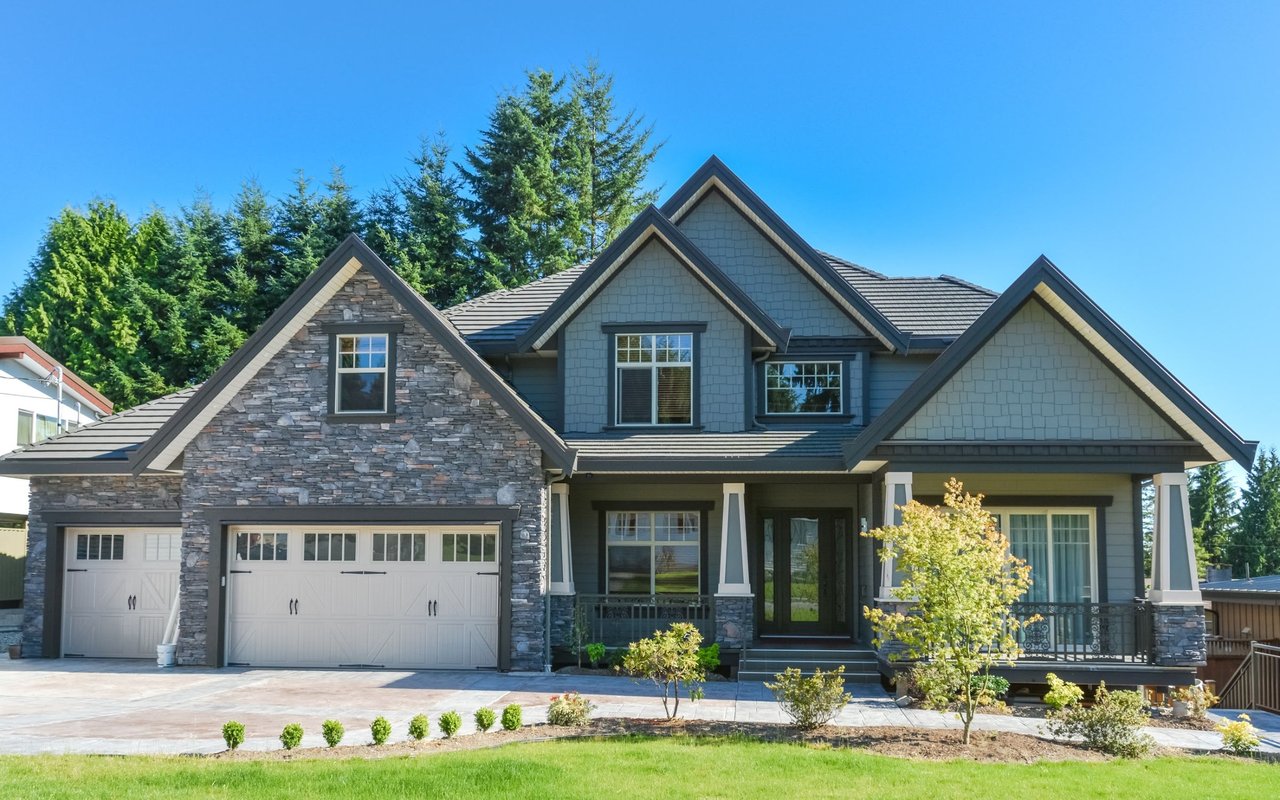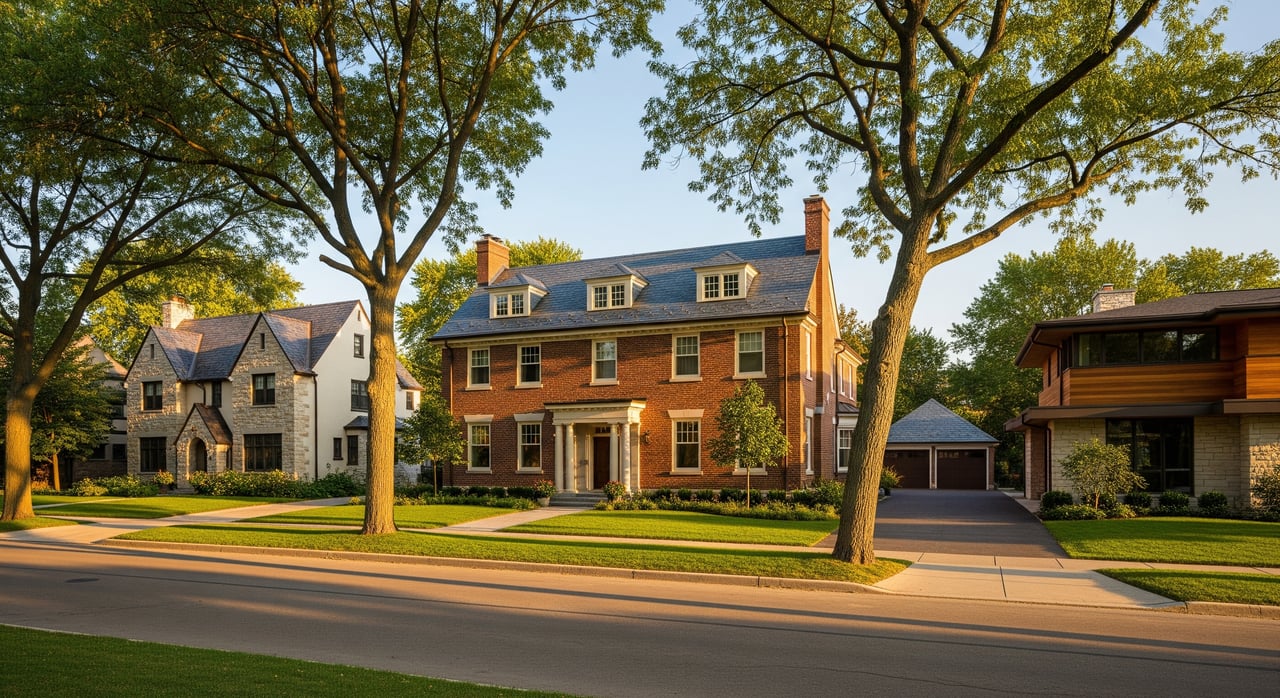
Curious why one Edina block feels storybook while the next looks sleek and modern? You are seeing the city’s layered history in its architecture. Whether you plan to buy, renovate, or rebuild, understanding styles helps you spot value, plan smarter upgrades, and avoid costly surprises. This quick guide walks you through what to look for, what to watch, and when to bring in specialists. Let’s dive in.
Edina’s housing mix at a glance
Edina is an established suburb close to Minneapolis with early twentieth‑century neighborhoods, postwar midcentury homes, and active infill with custom new builds. You will find preserved Tudor and Colonial homes, practical ranches and split‑levels, and larger contemporary rebuilds on mature lots. Because Minnesota winters are cold with freeze–thaw cycles, focus on insulation, windows, drainage, and roof performance no matter the style.
Before major work, check the City of Edina’s planning, permitting, and zoning processes. Some neighborhoods may have character guidelines, and rules on setbacks, lot coverage, stormwater, and tree preservation can shape additions or new construction. For pricing and inventory, rely on current Twin Cities market reports, since local demand varies by neighborhood and style.
Tudor Revival: warmth and craftsmanship
Signature features
- Steep gable roofs with cross gables and complex rooflines
- Decorative half‑timbering with masonry or stucco infill
- Tall, narrow windows, often leaded or multi‑pane
- Prominent brick or stone chimneys and arched doorways
- Inside, you may see plaster walls, wood trim, built‑ins, and cozy, compartmentalized rooms
What buyers love
- Storybook curb appeal and period details
- Quality materials and woodwork that feel timeless
- Established streets with mature canopy and character
What to check before you buy
- Chimneys and mortar may need repair; look for spalling or gaps
- Roof valleys and flashing can be moisture‑prone, especially with complex gables
- Original single‑glazed windows and drafty thresholds affect comfort
- Plaster cracks and older wiring are possible in very early homes
Smart upgrades in Minnesota
- Improve energy performance with attic insulation, air sealing, and high‑quality windows or storms
- Coordinate roofer and mason for chimney and flashing work, and plan ice‑dam mitigation
- Preserve exterior half‑timbering and interior woodwork with a preservation‑minded contractor
When to bring in specialists
- Historic preservation consultant or architect for exterior changes
- Masonry contractor and structural engineer for chimney or foundation concerns
- Roofer experienced with complex gables and historic details
- Lead paint and asbestos testing in pre‑1978 homes if you plan significant work
Colonial Revival: classic and versatile
Signature features
- Often symmetrical fronts with a central entry, pediment or portico
- Double‑hung multi‑pane windows with shutters
- Brick or wood clapboard siding with gable or hip roofs, sometimes with dormers
- Interiors with central halls, formal living and dining rooms, trim and moldings
What buyers love
- Traditional layouts and balanced proportions
- Broad appeal for a range of lifestyles
- Familiar curb appeal that suits many Edina neighborhoods
What to check before you buy
- Older mechanicals, including furnaces or boilers, may be near end of life
- Original plaster, lead paint, or legacy wiring in very old examples
- Brick tuckpointing or wood siding may need maintenance
Smart upgrades in Minnesota
- Kitchens and baths often need modernization, which can require structural planning if removing walls
- Insulation and window updates can meaningfully improve comfort and energy bills
- Maintain window proportions and trim to preserve authenticity
When to bring in specialists
- Structural engineer if altering a central stair, hall, or load‑bearing wall
- Historic‑minded carpenter to match trim or siding
- HVAC contractor skilled with converting older systems to efficient solutions
Midcentury homes: open, light, and livable
Signature features
- Low‑pitched or flat roofs with broad eaves and strong horizontal lines
- Large windows that connect to the landscape
- Simple forms with brick, wood siding, and stone accents
- Interiors may include open flow, sunken living rooms, and built‑ins
What buyers love
- Abundant natural light and easy indoor‑outdoor living
- Single‑level ranch living or flexible split‑level layouts
- Clean lines that work well with modern updates
What to check before you buy
- Flat or low‑slope roofs can be leak‑prone if not updated
- Single‑pane glazing reduces energy performance
- Basements or slab‑on‑grade can show moisture if drainage is poor
- Original mechanicals may be outdated
Smart upgrades in Minnesota
- Replace or upgrade low‑slope roofs and improve roof drainage
- Choose energy‑efficient window replacements that keep original proportions
- Modernize kitchens and baths while keeping the simple material palette
- Preserve sightlines and natural light in redesigns
When to bring in specialists
- Roofing contractor familiar with low‑slope and membrane systems
- Structural engineer for large openings or if removing posts or beams
- Window and glazing specialist for large custom panes or frame restoration
New custom builds: space, performance, and ease
What you will see
- Open plans, high ceilings, and large kitchens
- Integrated indoor‑outdoor living and extensive glazing
- High‑performance envelopes and modern mechanical systems
- Luxury finishes tailored to today’s lifestyles
Site and regulatory planning
- Zoning setbacks, maximum lot coverage, impervious surface limits, tree rules, and stormwater requirements can shape the footprint
- Neighborhood design guidance or historic considerations may limit demolition or exterior choices
- Start early with site feasibility to avoid surprises
Renovate or rebuild in Edina?
- Compare costs: the premium for a larger new build versus the investment to update and expand an older house varies by lot and comps
- Lot constraints matter: small or irregular lots can restrict additions and favor a rebuild
- Time and permitting: new construction requires full plans, utilities coordination, and often a longer timeline
When to bring in specialists
- Architect or land planner for feasibility and site design
- Civil engineer for grading, stormwater, and drainage
- Arborist to protect mature trees
- Demolition contractor aware of local cleanup and hazardous material procedures
- General contractor or design‑build firm to produce budgets, timelines, and energy strategies
How style influences value in Edina
Style interacts with location, lot, and neighborhood character. In areas with many period homes, preserving original Tudor or Colonial features can strengthen resale. In mixed‑stock areas, a high‑quality modern infill may set the top comparables. Mature lots and tree canopy add appeal across the board. If you plan to hold long term, prioritize durable systems like roofing, mechanicals, insulation, and curb appeal that fits the block.
Quick checklists for Edina buyers and sellers
Questions to ask about any home
- What is the original build year, and what major updates were done to the roof, HVAC, electrical, plumbing, windows, and foundation?
- Any moisture, settling, or pest issues in the past?
- Is there original wiring, lead paint, plaster, or possible asbestos materials?
- Were permits pulled for major work?
- Are there easements, tree protections, or neighborhood design guidelines that affect changes?
Recommended inspections
- General home inspection
- Structural engineer if there are signs of settling or big layout changes planned
- Roofing inspection for complex gables or low‑slope roofs
- Chimney and masonry inspection
- HVAC evaluation, sewer scope, and radon testing common to Minnesota
- Moisture or infrared scan if leaks are suspected
- Lead paint and asbestos testing for pre‑1978 homes before demolition or major renovations
Smart first upgrades in our climate
- Air sealing and attic insulation to cut drafts and ice dams
- Window and exterior door improvements for comfort and efficiency
- Roof and drainage fixes to protect foundations and basements
The bottom line
You have great choices in Edina, from charming Tudors and stately Colonials to light‑filled midcentury homes and turnkey new builds. Focus on the hallmarks that matter, plan climate‑smart upgrades, and match your project to the block’s character. When you are ready, lean on a local team with the vendor network and coordination to make the process smooth from the first tour to the final walkthrough.
If you want help finding the right style or planning a smart renovation or rebuild strategy, connect with the team at Reidell‑Estey & Associates.
FAQs
What architectural styles are most common in Edina?
- You will see a mix of early twentieth‑century Tudor and Colonial Revival homes, many postwar midcentury houses, and ongoing custom rebuilds and infill on mature lots.
Which home style is most energy efficient in Minnesota’s climate?
- New custom homes usually have higher‑performance envelopes and mechanicals, but older Tudors, Colonials, and midcentury homes can perform well after insulation, air sealing, window upgrades, and roof improvements.
What inspections matter most for older Edina homes?
- Start with a general inspection, then add structural, roofing, chimney, HVAC, sewer scope, and radon testing, plus lead paint and asbestos testing for pre‑1978 homes if you plan major work.
How hard is it to open up a Tudor or Colonial floor plan?
- It is doable with planning, but you may need a structural engineer to assess load‑bearing walls and a preservation‑minded contractor to protect historic trim and proportions.
What should I know about midcentury flat or low‑slope roofs?
- They can be leak‑prone if outdated; budget for membrane or roofing upgrades and ensure proper drainage to handle snow and freeze–thaw cycles.
When does a teardown make more sense than a renovation in Edina?
- If lot rules limit additions, the structure is too small for your needs, or renovation costs approach new‑build budgets, a rebuild may be the better path after reviewing local comps and timelines.